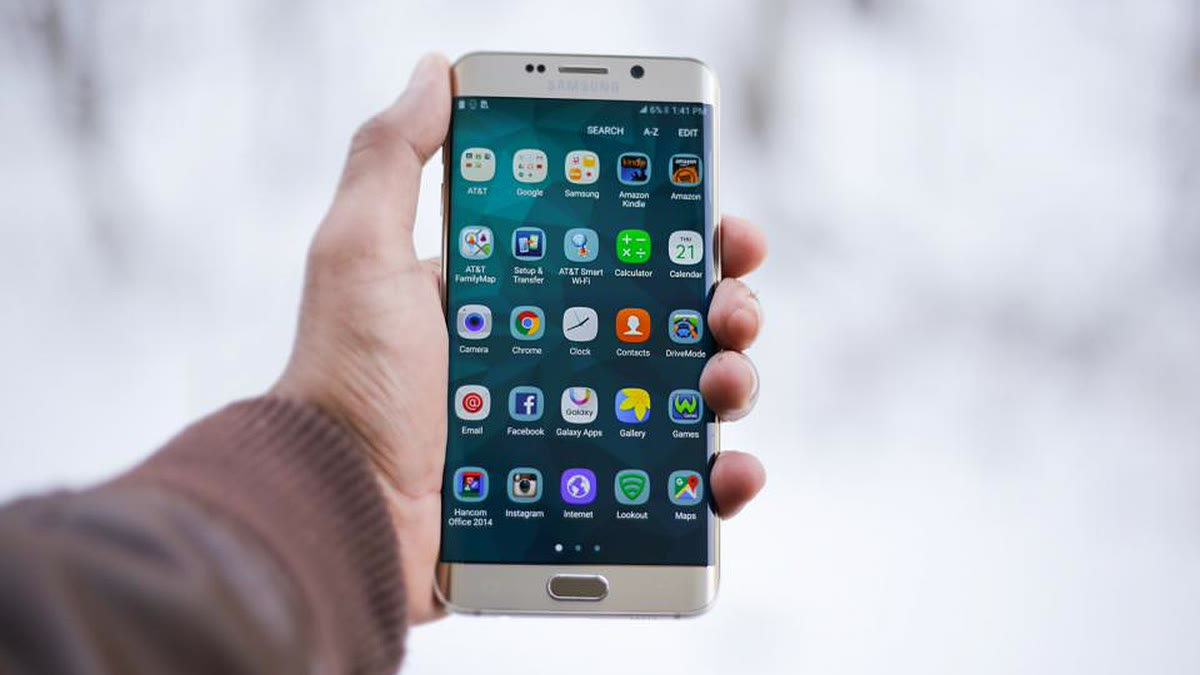
In Bangladesh, WhatsApp is not a secondary support channel. For many small businesses it is the storefront, the order desk, the delivery update and the complaint line. The problem is that it usually lives on one person's phone. When that person is unavailable, the business stops answering.
Automation can fix the availability problem, but not by blasting customers with templates. WhatsApp's business platform has rules: opt-in, approved templates, a 24-hour customer service window and clear opt-out. A workflow that ignores those rules will get the number restricted. A workflow that respects them can be one of the most useful systems the business owns.
Where things stand in 2026
The typical WhatsApp operation is a mix of saved replies, copy-pasted order forms, manual courier updates and a spreadsheet. The customer experience depends on who is holding the phone. The owner has no reliable view of response time, conversion, unresolved chats or repeat questions.
The first step is not a chatbot. It is a shared inbox with assignment, tags, saved replies and a customer record. Automation on top of a chaotic inbox just makes chaos faster.
2027: order updates, COD confirmation and a human handoff
2027 should focus on three workflows with immediate value: order confirmation, delivery update and cash-on-delivery confirmation. These are repetitive, time-sensitive and easy to measure. A customer who knows the delivery date is less likely to call. A customer who confirms a COD order is less likely to refuse it at the door.
Use approved templates for messages outside the 24-hour window. Keep the message short, specific and useful. "Your order 1042 will be delivered tomorrow between 2 and 6 pm. Reply 1 to confirm or 2 to reschedule" is better than a generic promotion.
- Opt-in: record consent and the source. Do not import a purchased list.
- Human handoff: any complaint, refund or address change goes to a person with context.
- Order reference: every conversation should link to an order or a customer record.
- Language: support Bangla, English and mixed messages.
2028: connect the inbox to the business system
By 2028, WhatsApp should be connected to the order system, the courier API and the CRM. The agent should see the order, payment status, delivery status and previous conversations without asking the customer. The customer should get an answer based on the same data the website uses.
Payments in chat may expand where the provider supports them, but do not treat a chat message as proof of payment. Use the payment provider's confirmation and reconcile it like any other rail. A screenshot is not a settlement.
Multi-agent routing becomes useful: sales enquiries to sales, delivery issues to operations, refunds to finance. The routing rules should be visible and testable. A misrouted conversation is worse than a queue.
2029: orchestrate channels, not just messages
2029 is the year to orchestrate across WhatsApp, Facebook, the website chat and the phone. The customer should not have to repeat the story when they switch channels. The business should have one conversation history, one consent record and one resolution status.
Analytics mature. Measure response time, first-contact resolution, conversion from enquiry to order, opt-out rate, template rejection rate and cost per conversation. Use the data to retire low-value automations and improve the high-value ones.
Governance matters more as the volume grows. Who can send a template? Who can approve a discount? Who can export a conversation? What is retained and for how long? The Personal Data Protection Act, 2026 applies to the personal data in those chats.
2030: conversational commerce as an operating channel
By 2030, conversational commerce should be a normal channel with the same controls as the website: catalog, cart, payment, delivery, returns and support. The difference is the interface, not the underlying discipline.
Agents can handle more of the flow, but the business still needs a human escalation path, a consent record and a clear privacy notice. The winning businesses will be the ones that use automation to make the conversation faster and more accurate, not the ones that use it to avoid the customer.
What to do in the next 90 days
- Move the business number into a shared inbox with assignment and tags.
- Write the top ten saved replies and link each one to an order or policy source.
- Launch order confirmation and delivery update templates with opt-in.
- Define handoff rules for complaints, refunds and address changes.
- Measure response time, resolution and opt-out for 30 days.
How to measure progress
- First response time: during business hours and after hours.
- Resolution rate: conversations closed without a repeat contact.
- Conversion: enquiries that become orders.
- Template quality: delivery, read and rejection rates.
- Opt-out rate: a signal that the messages are not welcome.
WhatsApp automation is not about sending more messages. It is about making the right message arrive at the right time, with a person available when the customer needs one.
Where this fits in our work
If you want help applying this to your business, start with Business Automation. We publish scope and starting prices on the pricing page. For the next step in this series, read Ecommerce customer support automation: 2027, 2028, 2029, 2030.
Sources
- Meta, WhatsApp Business Platform documentation, accessed 16 November 2026.
- Zendesk, "CX Trends 2026", 2026.
- ResearchAndMarkets, "Bangladesh B2C Ecommerce Market Forecast", January 2026.



Responses (0)
No comments yet. Add the first one below.
Leave a response
Your email address will not be published. Required fields are marked *.